Menu

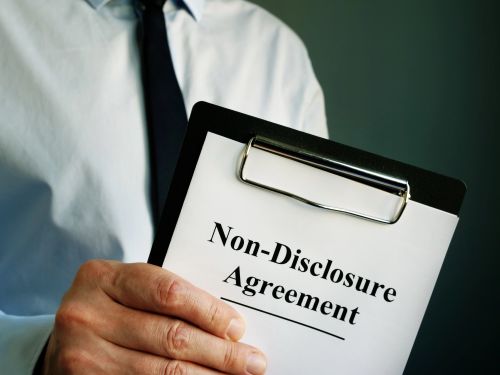
Whether you're selling your business or entering a joint venture, the other side will need to see the inside of your operation: financials, customer contracts, supplier relationships, proprietary processes, and strategic plans. That disclosure is unavoidable — but the risk that comes with it isn't, if you require a signed NDA before any of that information changes hands.
Without a signed NDA, a prospective buyer or JV partner who walks away from the deal has no binding legal obligation to keep your information confidential — or to refrain from using it. That's a real risk, particularly when the other party is a competitor, a company in an adjacent market, or an individual exploring multiple similar opportunities at once.
We often see NDAs introduced too late — after preliminary financial details have already been shared informally. The agreement needs to be signed before any meaningful information is disclosed, not after a conversation has already progressed to specifics.
An effective NDA does more than say “keep this confidential.” It defines exactly what information is covered, how long the confidentiality obligation lasts, what the receiving party is permitted to do with the information (typically limited to evaluating the potential transaction), and what happens to that information — destruction or return — if the deal doesn't move forward. It should also spell out remedies if the agreement is breached, since a promise without consequences offers limited real protection.
The right NDA for a business sale looks different from the right NDA for a joint venture, and different again depending on whether the other party is a strategic competitor, a financial buyer, or a long-term partner. Generic templates pulled offline often miss the specific risks unique to your situation.
Before you share sensitive business information with a prospective buyer or joint venture partner, make sure it's protected by an NDA built for your specific transaction. Contact Oberman Law Firm's Business & Transactional Practice Group to have the right agreement in place before your next conversation.
Privacy Policy | View Our Disclaimer | Terms of Use | Client Services
© 2026 Oberman Law Firm