Menu

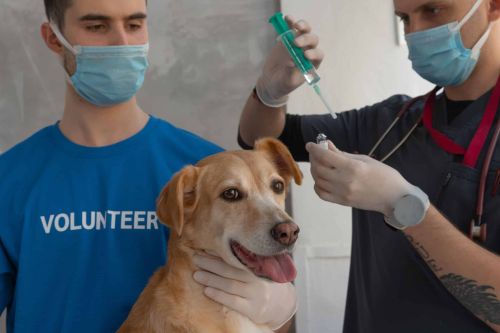
Most employment lawsuits are preventable. Unfortunately, many veterinary practices make avoidable mistakes that increase their liability.
Good documentation frequently determines the outcome of litigation.
Policies should be followed consistently.
Inconsistent discipline creates exposure.
Special care should be exercised when employees have:
● Requested leave
● Reported harassment
● Filed workers' compensation claims
● Raised safety concerns
Meetings should be:
● Professional
● Brief
● Respectful
Investigations should occur before making termination decisions.
Employers must comply with state laws regarding final compensation.
Electronic access and devices should be addressed immediately.
Written documentation reduces misunderstandings and strengthens defenses.
Certain terminations deserve careful legal review before action is taken.
Employee manuals create:
● Expectations
● Consistency
● Documentation support
Separation letters help:
● Protect confidential information
● Recover assets
● Clarify obligations
● Reduce disputes
Litigation prevention always costs less than litigation. Veterinary practices that maintain current employee handbooks, consistently document performance issues, and utilize separation letters are far better positioned to protect their businesses, preserve their culture, and minimize employment liability.
Oberman Law Firm advises veterinary practices throughout the United States regarding employment law, employee handbooks, restrictive covenants, HR compliance, investigations, disciplinary procedures, and employee terminations. Proactive planning before terminating employees is often the most effective way to avoid costly litigation and protect the long-term value of the practice.
Privacy Policy | View Our Disclaimer | Terms of Use | Client Services
© 2026 Oberman Law Firm