Menu

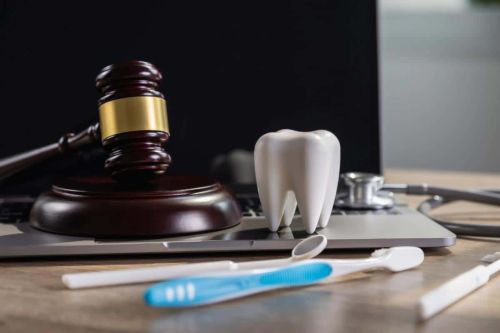
Dental practices operate at the intersection of healthcare, business, and regulation. While many dentists focus on patient care, compliance missteps—whether legal, regulatory, or operational—can expose practices to serious legal liability, reputational harm, and financial penalties.
At Oberman Law Firm, we’ve seen firsthand how common (and avoidable) mistakes can escalate into significant issues. Below are the top 10 compliance mistakes that dental practices must watch for—and how to avoid them.
Failure to properly safeguard patient health information (PHI) remains one of the most common compliance issues. Violations can include unsecured digital records, discussing patient information in public areas, or not having a HIPAA-compliant Business Associate Agreement (BAA) in place with vendors.
Using incorrect billing codes, upcoding, or billing for services not rendered can trigger audits, fines, and even allegations of fraud under the False Claims Act.
Incomplete, outdated, or inaccurate patient records not only jeopardize care but also fail to meet legal documentation requirements.
OSHA requires dental offices to maintain a safe workplace, including proper handling of sharps, hazardous waste, and infection control.
Misclassifying employees as independent contractors, not adhering to wage and hour laws, or mishandling terminations can all result in legal action.
Tip: Review employment practices annually and ensure your employee handbook is legally compliant.
Failure to obtain or properly document informed consent can expose a practice to liability in the event of a patient complaint or lawsuit.
Allowing staff to work without valid licenses or failing to renew credentials on time can lead to fines and other penalties.
Dental practices must follow strict rules regarding marketing, especially related to patient testimonials, referral incentives, and use of patient images.
Practices often overlook updating their internal policies, which can become outdated quickly as laws and technology evolve.
Each state has unique rules governing dental practice—from advertising restrictions to supervision requirements. What’s legal in one state may be a violation in another.
Compliance is not a one-time task—it’s a dynamic, ongoing process that evolves with legal, technological, and clinical changes. A single oversight can threaten your license, finances, or reputation.
At Oberman Law Firm, we help dental practices stay ahead of compliance risks by providing legal counsel tailored to the healthcare and dental industry. Whether you are starting a new practice, expanding, or updating your compliance protocols, we’re here to support your success and security.
Privacy Policy | View Our Disclaimer | Terms of Use | Client Services
© 2026 Oberman Law Firm