Menu

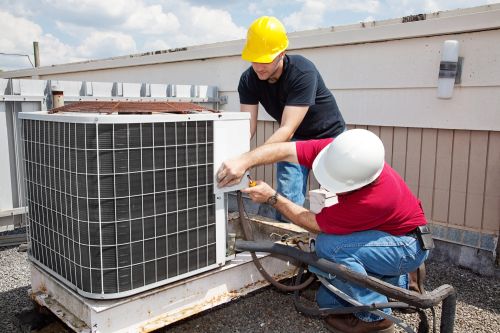
Many HVAC companies are currently receiving acquisition inquiries from strategic buyers and private equity groups. Consolidation in the mechanical services industry has accelerated in recent years as private equity funds and national service platforms seek to acquire profitable regional contractors.
For HVAC business owners, a potential sale can represent the culmination of decades of work and a significant liquidity event. However, successful transactions require careful planning, proper financial documentation, and an understanding of the buyer’s due diligence process.
At Oberman Law Firm, we regularly advise service companies—including HVAC contractors—on preparing their businesses for sale and navigating the complex legal and financial issues that arise in transactions with private equity buyers.
Below is an overview of the pre-sale preparation process, buyer due diligence, and common risks for HVAC companies when selling to private equity-backed platforms.
The HVAC sector has become a major target for acquisitions due to several industry characteristics:
Private equity groups often acquire a “platform company” and then pursue “add-on acquisitions” of regional HVAC businesses to scale revenue.
This environment has created favorable valuations for many HVAC companies—but sellers must ensure their business is properly prepared before entering the market.
Business owners should begin preparing for a sale 12–24 months in advance of possible sale whenever possible.
Key preparation steps include:
Buyers will closely review financial performance. Owners should ensure:
Many transactions are valued based on EBITDA multiples, making financial transparency critical.
Buyers will evaluate operational systems and scalability.
Important documentation includes:
A strong operational infrastructure can significantly increase valuation.
Buyers often review:
Companies with recurring maintenance revenue often command higher valuations.
Once a buyer expresses serious interest, the transaction moves into due diligence, where the buyer thoroughly investigates the business before closing.
Due diligence typically covers several categories.
Buyers will examine:
Financial diligence confirms the true profitability of the company.
Legal review typically includes:
Any unresolved legal issues may delay or reduce the purchase price.
Buyers will analyze:
If the business relies heavily on the owner personally, buyers may require transition agreements or earn-outs.
Buyers frequently evaluate:
Employment law exposure can create unexpected liabilities during transactions.
While private equity buyers often offer attractive valuations, sellers should understand several important risks.
Many private equity transactions include earn-out provisions, where part of the purchase price is contingent on future company performance.
Risks include:
Careful negotiation of earn-out terms is essential.
Private equity buyers often require sellers to roll over a portion of their equity into the acquiring company.
This means:
Owners should carefully evaluate the risks of holding minority equity.
Many sellers are required to stay involved in the business for 3–5 years after closing.
This can include:
Sellers should ensure expectations are clearly defined.
Purchase agreements often require sellers to deliver a minimum level of working capital at closing.
If working capital is below the target, the purchase price may be reduced.
Sellers are typically required to provide legal representations (reps and warranties) regarding the condition of the business.
If these representations are inaccurate, sellers may face:
Careful legal review of representations and warranties is critical.
HVAC owners considering a sale should begin preparing the following materials:
Preparing these materials in advance can significantly streamline the transaction process.
Owners should also consider:
Proper timing can substantially affect transaction value.
Oberman Law Firm assists HVAC business owners with:
Our goal is to help business owners maximize value, reduce legal risk, and structure transactions that align with their long-term financial objectives.
If you are considering selling your HVAC company or have received acquisition inquiries, it is important to obtain legal and financial guidance early in the process.
Early preparation can significantly improve deal outcomes and reduce the risk of costly surprises during the transaction.
Privacy Policy | View Our Disclaimer | Terms of Use | Client Services
© 2026 Oberman Law Firm